
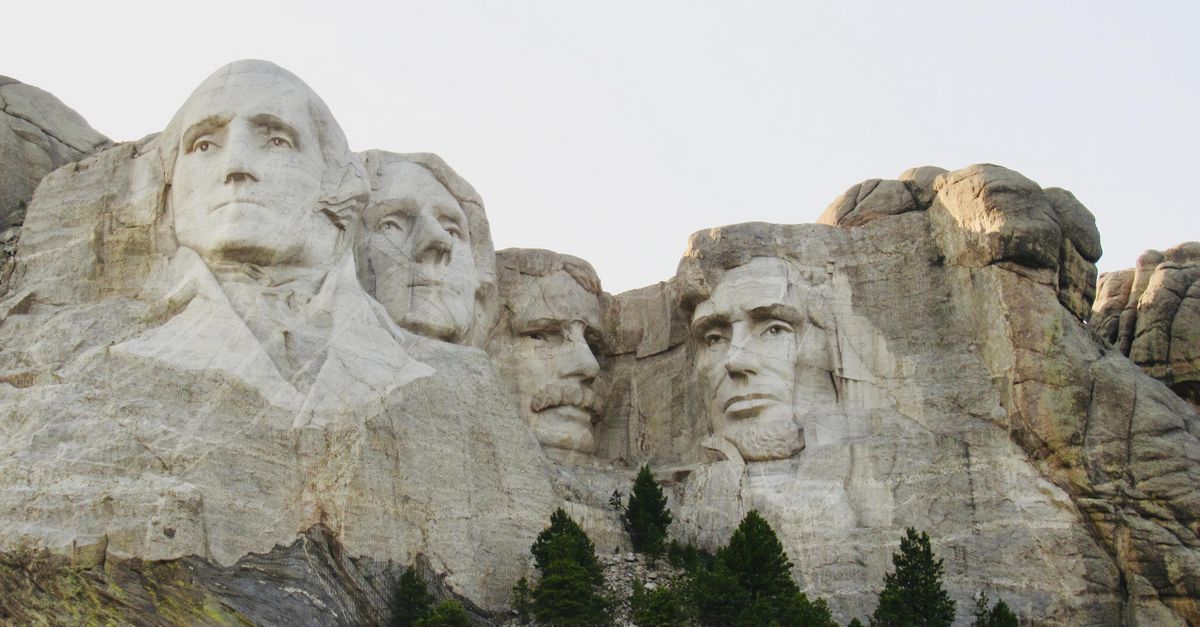
The United States has been shaped by visionary leaders whose policies left lasting imprints on the nation’s political, economic, and social landscape. From preserving the Union to expanding civil rights, these presidents navigated crises and opportunities that defined America’s trajectory.
1. George Washington (1789–1797) – The Founding Standard
As the first U.S. president, Washington set crucial precedents:
- Neutrality in Foreign Affairs: Issued the Proclamation of Neutrality (1793), avoiding entanglement in European wars.
- Farewell Address: Warned against permanent foreign alliances and partisan divisions.
- Established the cabinet system and two-term tradition (later codified in the 22nd Amendment).
2. Thomas Jefferson (1801–1809) – Expansion and Enlightenment
- Louisiana Purchase (1803): Doubled the size of the U.S. for $15 million.
- Championed limited federal government and agrarian democracy.
- Founded the University of Virginia, reflecting his belief in education and reason.
3. Abraham Lincoln (1861–1865) – Preserving the Union
Led the nation through its bloodiest conflict:
- Emancipation Proclamation (1863): Declared freedom for enslaved people in Confederate states.
- Pushed for the 13th Amendment, abolishing slavery nationwide.
- Delivered the Gettysburg Address, redefining American democracy as “government of the people, by the people, for the people.”
4. Theodore Roosevelt (1901–1909) – The Progressive Reformer
A champion of the “Square Deal”:
- Trust-Busting: Broke up monopolies like Standard Oil to promote fair competition.
- Conservation: Created 5 national parks and 150 national forests.
- Advocated for consumer protection laws like the Pure Food and Drug Act (1906).
5. Franklin D. Roosevelt (1933–1945) – Leading Through Crisis
Guided the U.S. through the Great Depression and WWII:
- New Deal Programs: Social Security, FDIC, and WPA provided relief, recovery, and reform.
- Lend-Lease Act (1941): Supported Allies before U.S. entered WWII.
- Only president elected to four terms—prompting the 22nd Amendment.
6. Harry S. Truman (1945–1953) – Cold War Architect
- Authorized atomic bombings of Hiroshima and Nagasaki, ending WWII.
- Implemented the Truman Doctrine (1947): Contained communism via aid to Greece and Turkey.
- Oversaw the Marshall Plan and creation of NATO.
7. Dwight D. Eisenhower (1953–1961) – Interstate Highways & Nuclear Caution
- Launched the Interstate Highway System (1956), transforming infrastructure.
- Warned of the “military-industrial complex” in his farewell address.
- Sent federal troops to enforce school desegregation in Little Rock (1957).
8. Lyndon B. Johnson (1963–1969) – The Great Society
Expanded federal role in social welfare:
- Civil Rights Act (1964) and Voting Rights Act (1965): Landmark anti-discrimination laws.
- Medicare and Medicaid: Provided health coverage for elderly and low-income Americans.
- Unfortunately, escalated U.S. involvement in the Vietnam War.
9. Ronald Reagan (1981–1989) – Conservative Revival
- Reaganomics: Tax cuts, deregulation, and reduced government spending (except defense).
- Took a hardline stance against the USSR (“Evil Empire”), yet later negotiated arms reductions with Gorbachev.
- Restored national confidence after economic stagnation of the 1970s.
10. Barack Obama (2009–2017) – Historic Firsts and Reform
- First African American president.
- Passed the Affordable Care Act (Obamacare), expanding health insurance access.
- Ordered the operation that killed Osama bin Laden (2011).
- Promoted climate action via the Paris Agreement.